Purchasing land in Kenya involves several step
Purchasing land in Kenya involves several steps to ensure legal compliance and safeguard your investment. Here's a general outline of the procedure:
1.Identify Land
Find land: Locate land through real estate agents, advertisements, or local inquiries.
Due diligence: Visit the land to verify its location, size, boundaries, and suitability for your intended use.
2.Confirm Land Ownership and Status
Search at the Ministry of Lands: Obtain a copy of the land's title deed and conduct a land search at the Ministry of Lands or online via the e-Citizen portal. This confirms ownership, the land's legal status, and if there are any encumbrances (e.g., charges, caveats, disputes).
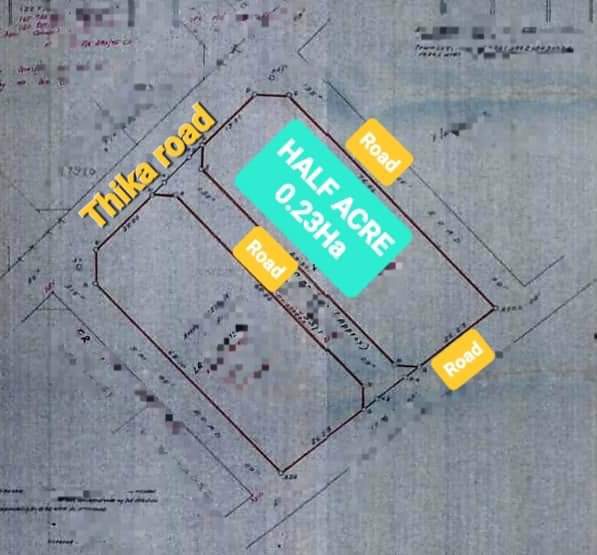
Survey plan: Obtain a survey map from the Survey of Kenya to verify the exact dimensions and boundaries of the land.
3.Engage a Lawyer
Contract a lawyer: It is advisable to hire a conveyancing lawyer to handle the transaction on your behalf. They will review documents, draft contracts, and ensure compliance with legal procedures.
4.Negotiation and Agreement
Price negotiation: Agree on the purchase price and payment terms with the seller.
Sale agreement: The lawyer will draft a sale agreement that includes the agreed-upon terms. Both parties will sign this agreement, usually with the buyer paying a deposit (often 10% of the purchase price).
5.Land Control Board (LCB) Consent
Obtain LCB consent: If the land is agricultural, you will need consent from the Land Control Board (LCB), which meets monthly. Both the buyer and seller must apply for this consent, which typically takes 2-6 weeks to be approved.
LCB fees: There’s a nominal fee for the consent, usually Ksh 1,000.
6.Transfer of Ownership
Transfer documents: After obtaining LCB consent (if required), the lawyer prepares the transfer documents.
Stamp duty: The buyer is responsible for paying stamp duty, which is calculated as:
4% of the property value in urban areas.
2% of the property value in rural areas.
Land rates and rent: Ensure any outstanding land rates or rent (payable to the county government) are cleared before the transfer.
7.Registration of the Transfer
Register the transfer: The documents, including the sale agreement, transfer form, consent from LCB, stamp duty receipt, and clearance certificate, are submitted to the Ministry of Lands for registration.
New title deed: Once registered, the land is officially transferred to your name, and you receive a new title deed. This can take a few weeks to process.
8.Post-Transfer Activities
Possession: After completing the registration, you can take full possession of the land.
Land use: If you intend to develop the land, obtain any necessary permits from the county government for construction or other development.
Additional Considerations:
Valuation: A professional valuer may be required to assess the land's value before completing the transaction.
Financing: If you are taking out a loan, the bank may require additional steps, including their own valuation and lien registration.
Following this procedure ensures the transaction is legal, transparent, and protects your interests as a buyer.
www.gakanyopropeties.co.ke

Admin
Published on May 11, 2025
Recent Posts
-
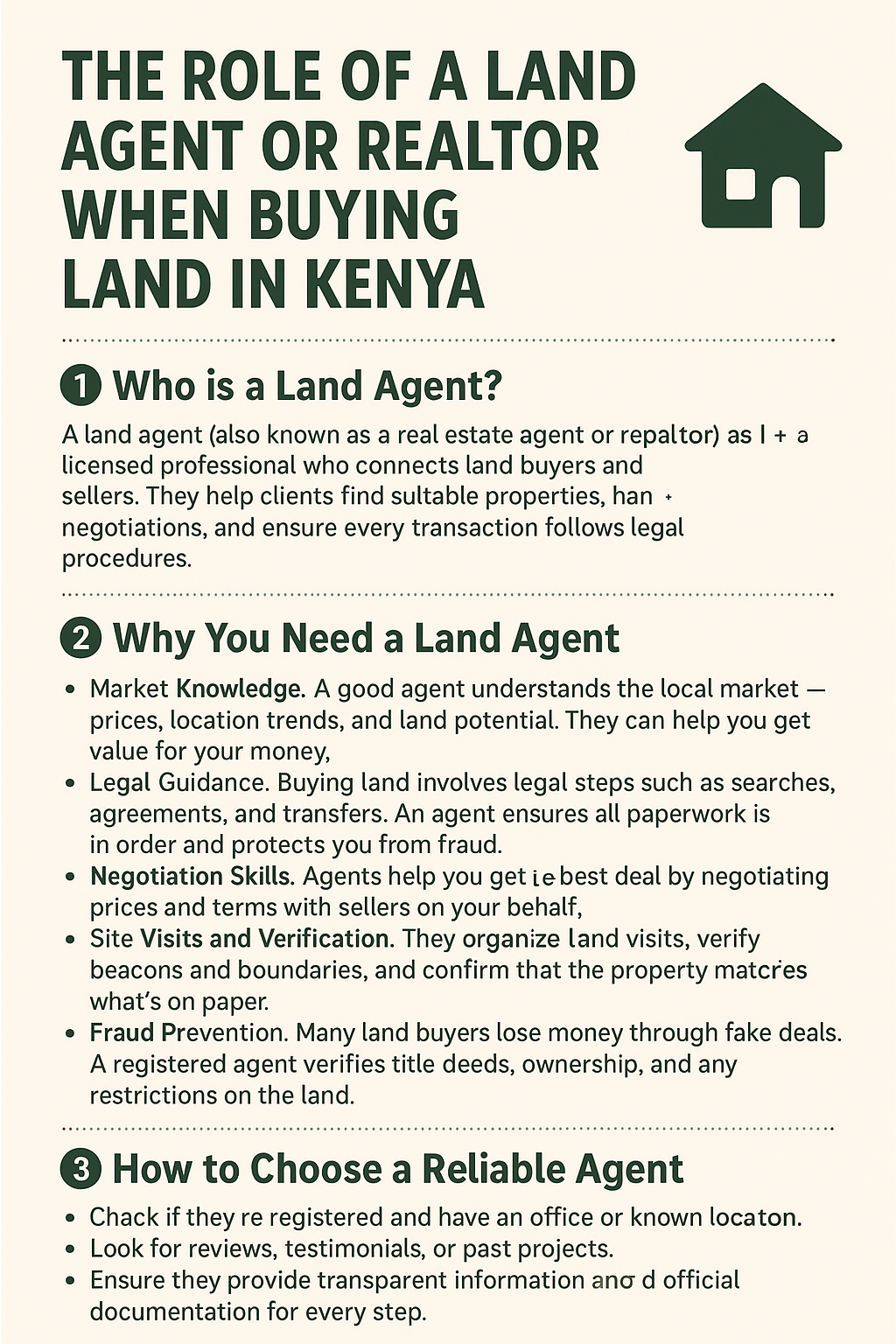 The Role of a Land Agent or Realtor When Buying Land in Kenya
October 25, 2025 -
 Lost Title Deeds in Kenya: What Gazette Notices Mean for Landowners
October 24, 2025 -
 Community Land Registration: Protecting People & Property Rights
October 24, 2025 -
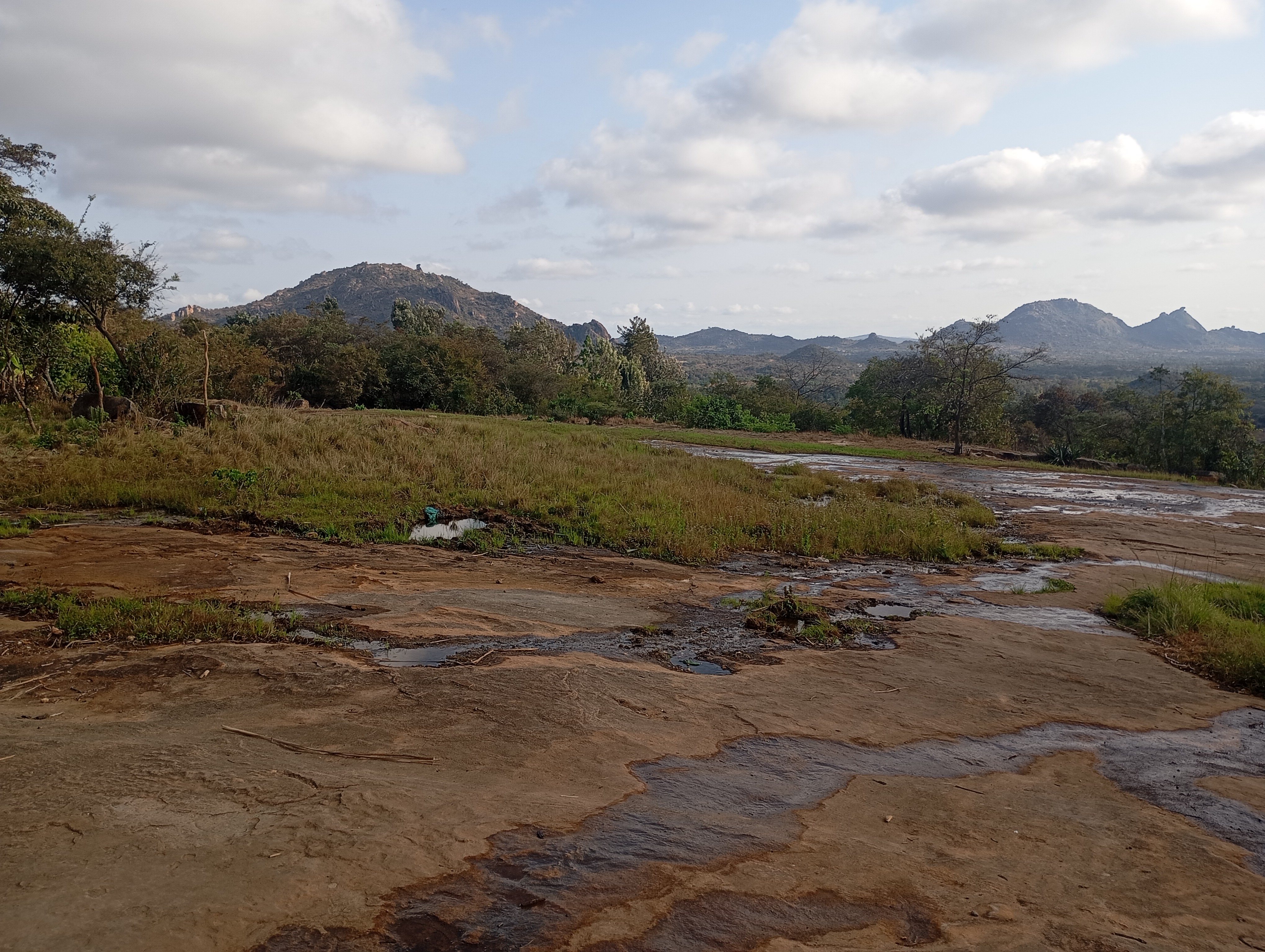 Investing in Land: Why It’s One of the Smartest Moves You Can Make.
October 24, 2025 -
 The “Wrong Side of the Road” Theory Explained
June 26, 2025