The “Wrong Side of the Road” Theory Explained
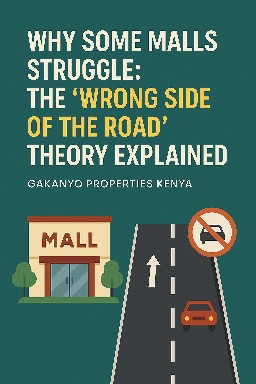
Why Some Malls Struggle: The “Wrong Side of the Road” Theory Explained
In the world of commercial real estate, location has always been king. But location isn't just about being on a busy road it’s also about being on the right side of that road. This is where the “Wrong Side of the Road” theory comes in a surprisingly simple yet powerful explanation for why some malls underperform despite prime addresses.
🚧 What Is the “Wrong Side of the Road” Theory?
The theory suggests that a mall or business located on the less convenient side of a busy road based on typical traffic flow will receive less footfall and vehicle traffic, simply because it’s harder to access.
In left-driving countries like Kenya, this often means that businesses on the right-hand side of the road (when you're heading home in the evening) may be harder to access. Shoppers would need to make U-turns or use footbridges, which deters spontaneous visits.
🚦 Why This Theory Matters for Malls
1. Convenience Trumps Curiosity
Most consumers won't go out of their way for everyday purchases. If a mall is inconvenient to access, even if it's visible and well-known, many people will simply choose an alternative.
Example: A shopper headed home from work may skip a mall that requires a U-turn across a busy highway, opting instead for a smaller shopping center that’s on their side of the road.
2. Reduced Impulse Stops
Retail success relies heavily on impulse visits. A mall on the wrong side loses out on these quick, last-minute visits, especially during peak hours when drivers avoid detours.
3. Traffic Patterns Matter
Understanding where your audience is coming from and when is key. A mall that faces inbound traffic in the morning may be invisible to outbound traffic in the evening, when people are actually shopping.
📉 Common Symptoms of a Mall on the Wrong Side
High turnover of tenants
Low weekday foot traffic
Peak-hour entry or exit congestion
Difficult U-turns or lack of access roads
Poor visibility for outbound traffic
🔍 Case Examples (Kenya Context)
While specific malls may vary, several Nairobi-area malls built on major highways like Thika Road, Mombasa Road, and Waiyaki Way have seen slower growth due to being placed on the “wrong side” of traffic flow, especially when competing malls on the more accessible side thrive.
💡 Solutions for Developers & Retailers
If you're planning a mall or commercial center, or wondering why your current one isn't thriving, consider:
🔀 Service lanes & slip roads for easier entry and exit
📍 Clear signage well before the mall entrance
🚗 Adequate U-turns or overpasses within short distances
🧲 Anchor tenants (like supermarkets, banks, or clinics) that provide a reason to go the extra mile
🚌 Public transport-friendly positioning make sure matatus or buses stop near your mall
🧠 Final Thoughts
The “Wrong Side of the Road” theory is a reminder that retail location strategy is as much about traffic behavior as it is about land value. No matter how modern or well-designed a mall is, if people struggle to access it, they simply won’t come. In real estate especially retail...convenience is king.
www.gakanyoproperties.co.ke

Phelix Gachanja
Published on June 26, 2025
Recent Posts
-
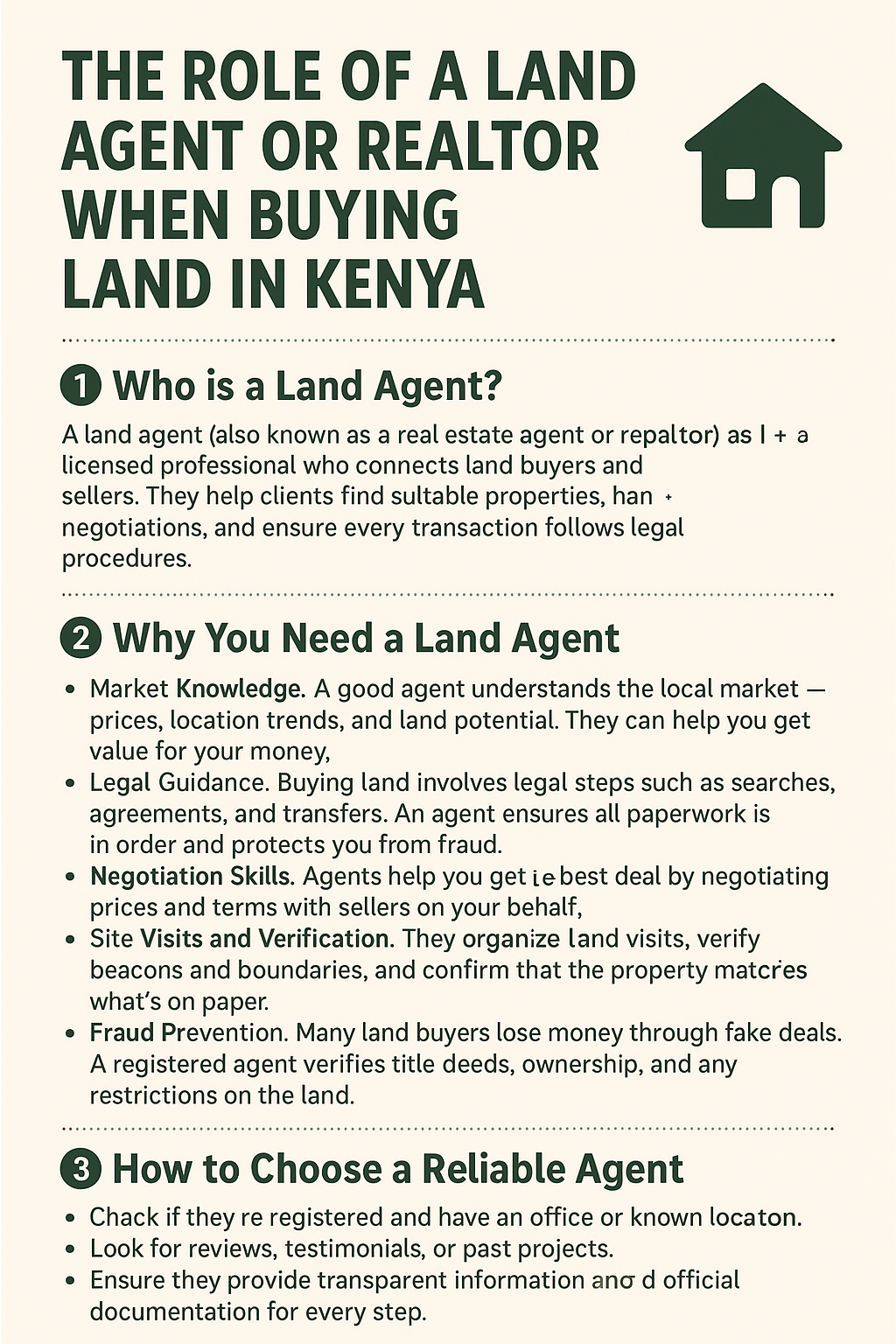 The Role of a Land Agent or Realtor When Buying Land in Kenya
October 25, 2025 -
 Lost Title Deeds in Kenya: What Gazette Notices Mean for Landowners
October 24, 2025 -
 Community Land Registration: Protecting People & Property Rights
October 24, 2025 -
 Investing in Land: Why It’s One of the Smartest Moves You Can Make.
October 24, 2025 -